
Greatest Nike Air Jordan Silhouettes for Wide Feet
Shopping for Air Jordans with broader feet can seem like a frustrating challenge, as fit differs significantly throughout the collection. Some Jordans fit infamously slim, pinching the forefoot and causing agonizing tight spots after just an hour of wear. Others provide a unexpectedly accommodating fit that handles broader feet without forcing you to size up and give up heel fit. I have spent over a decade trying Air Jordans on wide feet — my own included, at a persistent 2E width — and I have tried virtually every numbered silhouette in the lineup. This breakdown shares honest recommendations based on personal experience so you can buy confidently in 2026. Here are the Air Jordan shoes that actually perform for wide feet, listed and reviewed with useful data that count.
What Makes a Jordan “Good for Wide Feet”?
Before getting to particular shoes, understanding the construction factors that determine sizing across the front of the foot is vital. The toebox profile is the most important element — some Jordans taper significantly toward the toe, while others maintain a spacious form that allows toes freedom to move without restriction. Upper material takes a enormous influence: supple tumbled leather and mesh sections bend and expand over time, whereas patent leather and nike jordans rigid synthetics offer barely any flex. The width of the midsole platform is important too — a thin midsole makes a wide foot to overhang the edges, producing instability and hotspots. Interior padding depth can work for or against you, as bulky collars eat into interior volume that wide feet badly need. Lace configurations that permit omitting eyelets give you the power to lessen pressure across the midfoot without going up a full size. Additionally, swapping a bulky stock insole for a thinner aftermarket option is one of the quickest hacks for gaining extra millimeters of room inside any Jordan.
Premier Air Jordan Shoes for Wide Feet
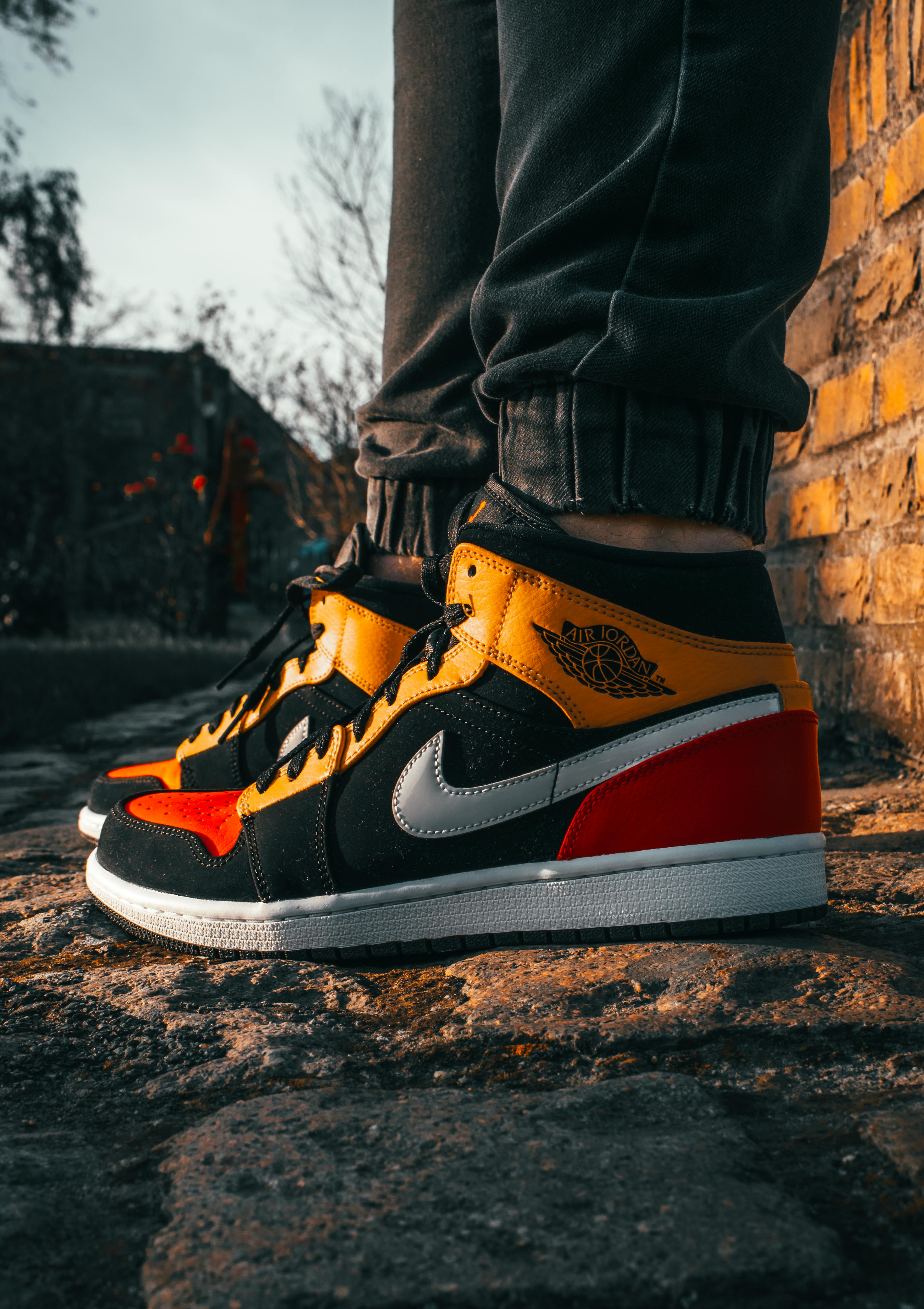
Air Jordan 1 Mid and High
The Air Jordan 1 is one of the most wide-foot-friendly shoes in the complete collection, thanks to its uncomplicated build and generous leather pieces that conform nicely. The toebox is quite open and relaxed relative to subsequent Jordans, shaping to your foot form rather than pushing it into a rigid shape. After around five to seven wears, the leather gives enough that even a real 2E wide foot can wear its actual size without discomfort. I suggest regular leather versions over patent variants, as those lose the flexibility that allows the AJ1 so generous. Both the Mid and High cuts offer comparable toe-box room — the primary variance is collar height, not internal width. If you are caught between sizes, going with your regular size and wearing low-profile socks at first gives the ideal long-term comfort as leather loosens.
Air Jordan 4
The Air Jordan 4 has built a status as the best Jordan for wide feet among sneaker enthusiasts, and that reputation is well deserved. Tinker Hatfield created the AJ4 with side mesh panels and a plastic wing system that produces organic flex zones, allowing the upper to widen sideways under force from a wide foot shape. The toe box is one of the roomiest in the entire numbered Jordan lineup, with a generous profile that won’t squeeze. Nubuck and leather upper materials offer true stretch, creating roughly 2 to 3 millimeters of internal room after breaking in. One practical pointer: the AJ4’s tongue has a habit of move during wearing — using the lace loop to secure it corrects this totally. In my testing, the Jordan 4 is one of the handful of Jordans where a wide-foot wearer can buy their standard size on the first try without concern.
Air Jordan 5 and Air Jordan 12
The Air Jordan 5 features design DNA with the Jordan 4 and inherits much of its wide-foot friendliness, with a padded mesh tongue that gives without resistance and a roomy front-foot area. Suede and premium nubuck variants gain organic flex and adapt to the shape of your foot better than glossy leather alternatives. The Air Jordan 12 might catch off guard sneaker fans because its sleek, dressy profile appears tight, but the full-grain leather upper is remarkably roomy, expanding and shaping to the foot over a few wears. Zoom Air cushioning in the AJ12 front section gives somewhat under broader feet, effectively producing more internal room as the shoe adjusts. I have worn my Jordan 12 Playoffs for over two years with my wide feet and can attest they rank among my most cozy Jordans. Both models demonstrate that design and comfort for wide feet can coexist in the Jordan lineup.
Wide-Foot Fit Reference Table
| Model | Forefoot Width | Break-In Time | Size Recommendation | Best Upper Material | Wide-Foot Rating |
|---|---|---|---|---|---|
| Air Jordan 1 | Roomy | 5–7 wears | TTS | Soft tumbled leather | 9/10 |
| Air Jordan 4 | Very generous | 3–5 wears | True to size | Nubuck | 10/10 |
| Air Jordan 5 | Generous | 3–5 wears | Standard size | Suede / nubuck | 9/10 |
| Air Jordan 12 | Moderately roomy | 4–6 wears | True to size | Premium full-grain leather | 8.5/10 |
| Air Jordan 6 | Average | 5–7 wears | Half size up | Nubuck | 7.5/10 |
| Air Jordan 3 | Moderate | 4–6 wears | Half size up | Soft tumbled leather | 7/10 |
Models Wide Feet Should Avoid
Not all Air Jordans accommodate wide foot types, and learning which models to steer clear of can protect you from pricey regrets. The Air Jordan 11 is the most often referenced narrow-fitting Jordan because the patent leather mudguard encircles snugly around the front foot and has zero stretch despite break-in effort. The interior sock liner construction traps your foot into a set form, and sizing up creates heel lift that undermines wearability. The Air Jordan 13 fits infamously narrow through the midfoot, with its paneling creating a sock-like feel that wide-foot wearers call as claustrophobic. The Air Jordan 14 features a sleek shape modeled after Michael Jordan’s Ferrari — slim and tight by intention. If you are drawn to these shoes for their looks, sizing up by one and using a heel pad is your best option. Some shoe customizers provide stretching services, but this is inadvisable for glossy patent leather that may split under forced expansion.
Practical Tips for Better Fit
Several practical techniques can enhance how any Air Jordan fits on a wider foot, beyond just choosing the right silhouette. Switching the stock insole with a low-profile third-party insole from Superfeet or Dr. Scholl’s can gain 2 to 4 millimeters of interior height, which means more width. Try the “wide-foot” lacing method — bypassing every other eyelet on the bottom section eases pressure on the forefoot while keeping heel security through upper eyelets. Wearing thinner performance socks rather than bulky cotton offers your feet more room without giving up friction protection. Shopping later in the day when feet are normally swollen gives a more reliable fit assessment. According to the American Podiatric Medical Association, roughly 75 percent of Americans buy shoes that are too narrow, with those with wide feet especially affected. Checking both length as well as width using a Brannock device or a printable sizing chart from Nike’s official sizing page is the best action before buying any Air Jordans.
The Bottom Line for Broad-Footed Sneaker Fans
Having a wider foot shape should not prevent you from joining the Air Jordan experience — you just need to know which models work best. The Air Jordan 4 reigns as the undisputed top pick for wide-foot comfort, delivering a roomy toebox, stretchy fabrics, and a TTS feel that fits immediately. The Jordan 1, Jordan 5, and Jordan 12 fill out the top tier, each offering individual looks with ample front-foot room for all-day comfort. Skip the temptation to force your feet into narrow models like the AJ11 or AJ13 just because you love the color. Apply the fit tips in this guide, get quality replacement insoles, and try different lacing styles until you land on what fits best. In 2026, the Air Jordan catalog is wider and more inclusive than ever, meaning there is really something for every foot type.