
Top Jordan Sneakers for Basketball Performance on the Court
Jordan Brand holds a distinctive place between heritage and modern technology when it comes to on-court performance sneakers. The brand forged its name on Michael Jordan’s six title victories, and in 2026 it still manages to outfit NBA athletes while supporting countless numbers of casual ballers who need true court performance. But here’s the issue: with over 40 mainline models and numerous of sub-models, identifying which Jordans actually work on the court requires careful study. Not every Jordan is made for basketball in 2026 — heritage models from the ’80s and ’90s are missing up-to-date cushioning, while latest signature lines provide advanced impact protection and stability that match anything out there. This guide breaks down the finest Jordan sneakers for on-court use in 2026, grading each across cushioning, grip, lockdown, mass, and court feel.
What Makes a Great Basketball Shoe in 2026
The modern game of basketball demands multi-directional movement — sprints, lateral shuffles, sudden stops, vertical jumps — and cushioning has to manage shock without losing responsiveness. Traction is likely the most important quality, because a sneaker that slides on dirty courts is truly hazardous, elevating likelihood of rolled ankles and knee injuries. Stability includes external structures like outriggers and heel counters plus the shoe’s ability to secure your foot during aggressive direction changes. Overall mass has become vital as the game speeds up, with elite guards choosing sneakers under 14 ounces while big men accept up to 16 for additional ankle support. Airflow prevents overheating that diminishes traction and wearability during prolonged sessions. The perfect shoe harmonizes all five features without significantly undermining any particular one.
Air Jordan 38: The Premier Performer
The Air Jordan 38 stands as the apex of Jordan Brand’s court-ready go here innovation, blending Formula 23 foam with a full-length Zoom Air Strobel that provides an remarkably bouncy ride. At 13.8 ounces in a men’s size 10, it balances light agility with impact protection that protects joints during intense play. The knit Jacquard upper supported with Flywire cables holds the foot down during side-to-side motion while keeping breathable for extended matchups. Grip is exceptional — the herringbone outsole grips both clean and dusty courts with certainty, and the outsole rubber holds up for a whole casual season of 3-4 games weekly. The midfoot shank offers torsional stability during handles and defensive shuffles. At $200 retail, it stacks up with the LeBron 22 and provides what many testers label the most impressive Jordan playing experience since the Jordan 28.
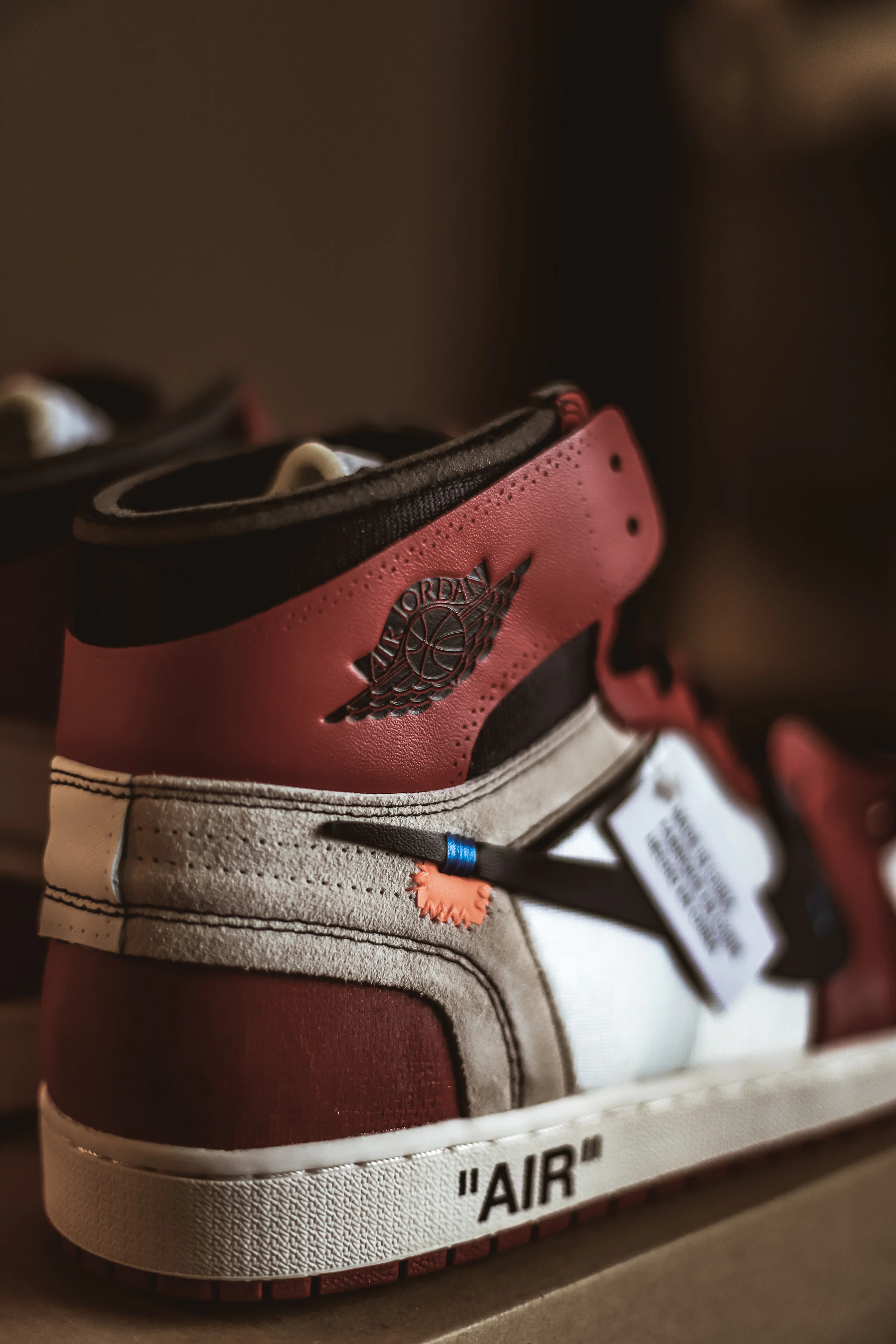
Jordan Tatum 3: Greatest Value Performance Sneaker
At $130, Jayson Tatum’s third signature sneaker has become the broadly recognized greatest-value basketball sneaker of 2026, providing top-tier on-court capability. The React foam midsole with front-foot Zoom Air provides sustained cushioning while offering spring for explosive opening drives and rim finishes. At 12.9 ounces, it’s one of the most lightweight basketball shoes on the market, perfectly fitted for guards and wing players focused on speed. The engineered mesh upper adapts to the foot after brief adjustment, and the inner heel structure locks the ankle without hindering motion. Outsole grip uses generously spaced herringbone channels that sweep dust away, maintaining grip on poorly maintained courts. Various NBA players beyond Tatum have been seen wearing it in games — the ultimate sign of court-ready quality.
Air Jordan 37: The All-Around Court Shoe
The AJ37 may be strictly speaking previous-generation, but it remains broadly for sale at reduced prices and still holds its own with latest drops. The Lenoweave upper is at once lightweight, airy, and supportive — a material innovation impacting Jordan’s complete court shoe range. Stacked dual Zoom Air in forefoot and heel provides court feel surprisingly close to ground-level while delivering meaningful impact protection. At 14.1 ounces, it’s somewhat heavier than the Tatum 3 but compensates with better ankle lockdown from its taller collar and Flywire structure, making it excellent for bigs and centers. The outsole grip is among the most tenacious in the lineup, with substantial channels that catch even during explosive lateral cuts. Initially $185, it now goes for $120–$140 — quite possibly the most compelling performance-per-dollar in Jordan’s catalog.
Jordan Luka 3: Designed for Savvy Floor Generals
Built for Luka Dončić’s skill-based game, the Luka 3 is designed for players who depend on precise footwork and body positioning rather than pure explosiveness. The full-length Zoom Strobel rests right under the foot, creating a low-to-ground ride that boosts stability during pull-up jumpers and Euro-steps. The wide base and enlarged lateral outrigger provide stability among the most impressive in Jordan’s range, making it perfect for bigger players or those with weak ankles. Grip uses a rotational pattern facilitating pivot moves and spins at the heart of Dončić’s game, although performance declines slightly on extremely dusty floors. At $140 with extended sizing up to 18, it’s accessible to big men who have difficulty locating basketball shoes in their size. If you emphasize finesse over raw speed, the Luka 3 shines at what it was built to do.
| Model | Price | Weight (Size 10) | Cushioning | Best Position | Rating |
|---|---|---|---|---|---|
| Air Jordan 38 | $200 | 13.8 oz | Formula 23 + Zoom Air | Every position | 9.5/10 |
| Jordan Tatum 3 | $130 | 12.9 oz | React + Zoom Air | Backcourt and wings | 9.0/10 |
| Air Jordan 37 | $120–$140 | 14.1 oz | Dual Zoom Air | All positions | 8.5/10 |
| Jordan Luka 3 | $140 | 14.3 oz | Zoom Strobel | Playmakers and guards | 8.5/10 |
Retro Jordans on the Court: What Truly Holds Up
The desire to hoop in retros is real, but performance shortcomings make most heritage shoes bad choices for serious basketball in 2026. Retro releases use ’80s and ’90s cushioning — enclosed Nike Air that gives rudimentary cushioning but doesn’t have the bounce-back and rebound of contemporary Zoom Air and React foam. The Air Jordan 11 Retro is the one notable standout many ballers still consider playable, owing to its carbon fiber spring plate and complete Air unit, though even it can’t match 2026 performance shoes. Outsole grip on retros uses dated rubber formulas that degrade quicker and provide less bite, particularly on unswept recreational courts. Heritage materials — thick leather, thick padded collars — add considerable weight, coming in at 16-18 ounces against 13-14 for contemporary performers. Findings in the British Journal of Sports Medicine has demonstrated that high-top ankle support from high-tops is not as helpful than ankle strengthening exercises. Reserve your retros for lifestyle wear and invest in purpose-built performance models for the court.
Selecting the Ideal Jordan for Your Playing Style
To select the ideal basketball shoe, you require an truthful analysis of your style of play, position, and where you play. Point guards relying on quickness should seek out light shoes with bouncy forefoot units — the Tatum 3 excels here at under 13 ounces with Zoom Air forefoot units. Wing players and versatile forwards need well-rounded cushioning for driving and catch-and-shoot — the AJ38 and AJ37 serve this role exceptionally. Post players should consider the Luka 3, which delivers excellent balance during post battles without losing impact protection. Hardwood players can opt for tackier rubber compounds for hardwood traction, while outdoor players require more durable, more resilient rubber. Past injuries should shape your selection — weak ankles favor broad-platform models, knee problems benefit from the most impact protection. Try shoes in-store if possible, performing basketball movements like defensive slides and hard deceleration to judge practical capability.
Maintaining Your Court Jordans
Basketball kicks endure heavy wear, and regular upkeep can stretch their functional life by several months. Wipe the outsole after each game with a hard-bristled brush and lukewarm water to clean out outsole grooves — filled grooves are the main reason sneakers lose grip. Let your pair to dry naturally fully between uses, which takes 12-24 hours, because trapped moisture weakens midsole foam and promotes bacteria that cause odor. Rotate between at least two pairs if you play more than twice weekly, as this gives cushioning foam fully rebound between uses. Retire court Jordans after roughly 75-100 hours of play time — cushioning breaks down invisibly long before traction exhibit signs of use. Keep at room temperature away from heat sources that accelerate cushioning degradation. These practices aren’t just about extending life — they’re about preventing injuries, because dead foam causes bone stress injuries, plantar fasciitis, and twisted ankles.
For the comprehensive Jordan basketball collection, visit the Jordan Brand basketball collection on Nike.com.